Wallpaper Detail
日の出に染まるアカマングローブ、ピッグ・キーズ、ホンジュラス

 Bing で詳しく見る
説明
ホンジュラスのピッグ・キーズは、マングローブの豊かな湿地帯にひっそりと浮かぶ、小さく標高の低い沿岸の島々です。
日の出を迎えると、鏡のような水面の上に、アカマングローブが絡み合った根を伸ばしています。
アカマングローブは熱帯の海岸線に最初に定着する樹木であることが多く、塩水と陸地が交わる、柔らかく酸素の乏しい泥地に、特徴的な弓状の根を張って体を支えています。
これらの根は堆積物をせき止め、海岸線を安定させるとともに、ほかの沿岸植物が根付ける穏やかな水域をつくります。
密集した根の網は浸食を抑え、波の衝撃を和らげ、近隣の地域社会を嵐から守るのにも役立っています。
水面下では、沈んだ根が稚魚やカニ、エビの隠れ家となり、こうした湿地を海でも特に生産性の高い生育場の一つにしています。
AI 翻訳 · 人による校正なし原文を見る原文を閉じる
Sunrise on a red mangrove in the Pig Keys, Honduras
At sunrise in Honduras' Pig Keys—small, low-lying coastal islets tucked within mangrove-rich wetlands—a red mangrove lifts its tangled roots above glassy water. Red mangroves are often the first trees to colonise tropical coastlines, using their distinctive arching roots to anchor in soft, oxygen-poor mud where saltwater and land collide. These roots help trap sediment, stabilise shorelines and create calm waters where other coastal plants can take hold. Their dense networks also reduce erosion, soften the impact of waves and help shield nearby communities from storms. Beneath the surface, the submerged roots provide shelter for young fish, crabs and shrimp, making these wetlands one of the ocean's most productive nurseries.
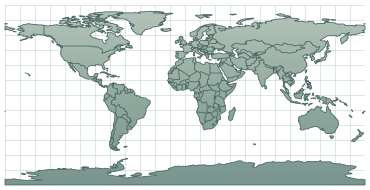
ホンジュラス
おおよその位置

← より新しい
2026年7月27日
エメラルド湖、ヨーホー国立公園、ブリティッシュコロンビア州、カナダ
より古い →
2026年7月25日
イスラ・クリスティーナ、ウエルバ県、スペイン

ほかの壁紙

霜に覆われた木々の間から差し込む夜明けの光、スウェーデン
2025年12月21日

レッドウッド国立・州立公園の日の出、カリフォルニア州、アメリカ
2026年8月25日

穀物畑に立つブナ、イースト・ミオン、サウス・ダウンズ国立公園、ハンプシャー、イングランド
2026年9月8日

秋色に染まるアメリカヤマナラシ、ガーズマン峠付近、ユタ州、アメリカ
2026年9月22日

ピンク色のリンゴの花、アビラ・ビーチ、カリフォルニア州、アメリカ
2026年4月26日

ポンドサイプレス, 米国 ジョージア州
2026年10月27日

ダイオウマツとノコギリヤシの森林島、エバーグレーズ国立公園、フロリダ州、アメリカ
2026年4月24日

フォーゲットミーノット池に映る松の木々、カナナスキス・カントリー、アルバータ州、カナダ
2026年4月15日