Wallpaper Detail
野生動物横断橋の空撮、ザクシュフ近郊、ポーランド

 Bing で詳しく見る
説明
道路は人々の移動を速くした一方で、野生動物に新たな課題をもたらしました。
高速道路はしばしば動物たちの通常の移動経路を分断し、衝突事故を増加させ、生息地を細分化し、個体群を孤立させます。
こうした景観を再びつなぐために開発されたのが、エコダクトとも呼ばれる野生動物用横断施設です。
道路をまたぐ植物に覆われた橋や、その下を通るトンネルなどがあり、車両との衝突リスクを減らしながら、動物たちが安全に横断できるようにしています。
現代的な施設の初期の例は1950年代にフランスで登場し、その後オランダでは、周囲の景観に溶け込むよう設計された幅広い緑の橋へと、この構想が発展しました。
AI 翻訳 · 人による校正なし原文を見る原文を閉じる
Aerial view of a wildlife crossing near Zakrzów, Poland
Roads have made travel faster for people but created new challenges for wildlife. Highways often cut across their regular migration routes, increasing collisions, fragmenting habitats and isolating animal populations. Wildlife crossings, also known as ecoducts, were developed to reconnect these landscapes. They include vegetated bridges over roads and tunnels beneath them, allowing animals to cross safely while reducing the risk of vehicle collisions. Some of the earliest modern examples appeared in France during the 1950s, while the Netherlands later expanded the idea with wide, green bridges designed to blend into the surrounding landscape.
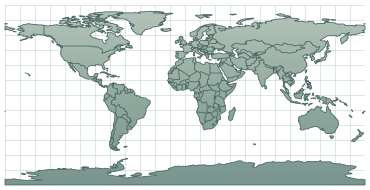
ポーランド
おおよその位置

← より新しい
2026年8月19日
ジョシュア・ツリー国立公園、カリフォルニア州、アメリカ
より古い →
2026年8月17日
イソギンチャクにすむ3匹のカクレクマノミ、カビラオ島、ボホール州、フィリピン


