Wallpaper Detail
マングローブ林を泳ぐレモンザメの幼魚、エルーセラ島、バハマ

 Bing で詳しく見る
説明
サメは4億2,000万年以上にわたって海を泳ぎ続けてきました。
頂点捕食者であるサメは、海洋生態系の均衡を保つ役割を担っています。
今日の写真に写る小さな冒険者は、バハマのエルーセラ島にあるマングローブ林を縫うように泳ぐレモンザメの幼魚です。
その姿は、サメの物語が劇的な場面ではなく、育児場で生き延びることから始まるのだと教えてくれます。
レモンザメは卵ではなく子を産み、幼魚は穏やかで外敵から守られた浅瀬のマングローブ林で数年間を過ごし、安全な環境で成長します。
成魚になると全長約3.4メートルに達し、メスは繁殖のために同じ育児場へ戻ることがよくあります。
主に夜間に狩りを行い、特殊な電気受容器を使って、砂の下や濁った水中に隠れた獲物を見つけます。
また、群れで暮らすことには、意思疎通や求愛、狩りの成功率、防御力を高める利点があります。
しかし、レモンザメは準絶滅危惧種とされており、世界のサメは、乱獲や恐怖心に駆られた殺傷、生息地の喪失による圧力をますます強く受けています。
AI 翻訳 · 人による校正なし原文を見る原文を閉じる
Lemon shark pup in mangrove forest, Eleuthera, Bahamas
Sharks have patrolled the seas for more than 420 million years, and as apex predators, they help keep marine ecosystems in balance. The tiny explorer in today's image—a lemon shark pup weaving through a mangrove forest in Eleuthera, the Bahamas—offers a perfect reminder that their stories don't begin with drama but with nurseries and survival. Lemon sharks give birth to live young, and their pups spend years in shallow mangroves, where calm, sheltered waters provide a safe place to grow. As adults, they can reach about 3.4 metres in length and females often return to the same nursery sites to breed. Hunting mainly at night, they use specialised electroreceptors to detect prey hidden beneath sand or in murky water. They also benefit from living in groups, which can improve communication, courtship, hunting success and protection. Yet lemon sharks are considered near threatened, and sharks worldwide face growing pressure from overfishing, fear-driven killing and habitat loss.
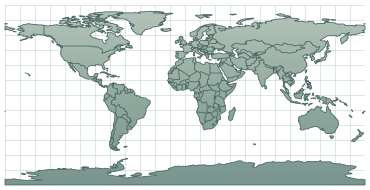
バハマ
おおよその位置

← より新しい
2026年7月11日
ラジャ・アンパットのサンゴ礁とビーチ、インドネシア
より古い →
2026年7月9日
サパの棚田、ラオカイ省、ベトナム

ほかの壁紙

タイマイのつがい、セブン・マイル・ビーチ沖、グランドケイマン島、ケイマン諸島
2026年6月16日

干潮時に姿を現したカサガイ、プライア・ダ・ウルサ、ポルトガル
2026年6月11日

海を漂うキタユウレイクラゲ
2026年6月8日

イソギンチャクにすむ3匹のカクレクマノミ、カビラオ島、ボホール州、フィリピン
2026年8月17日

リン運河に姿を現したシャチとチルカット山脈、アラスカ州、アメリカ
2026年8月20日

ラッコ、カチェマック湾、ホーマー、アラスカ州、アメリカ
2026年5月27日

ジンベエザメとコガネシマアジ、チェンデラワシ湾、西パプア州、インドネシア
2026年8月30日

マッコウクジラの家族、インド洋
2026年5月15日