Wallpaper Detail
红树林中的柠檬鲨幼崽,伊柳塞拉岛,巴哈马

 在 Bing 上了解更多
描述
鲨鱼已经在海洋中巡游了超过4.2亿年。
作为顶级捕食者,它们有助于维持海洋生态系统的平衡。
今日图片中的小小探索者——一只穿行于巴哈马伊柳塞拉岛红树林中的柠檬鲨幼崽——恰好提醒我们,它们的生命故事并非始于惊心动魄的场面,而是始于育幼场和求生。
柠檬鲨直接产下幼鲨,幼崽会在浅水红树林中生活数年,那里平静而有遮蔽的水域为它们提供了安全的成长环境。
成年后,它们体长可达约3.4米,雌鲨还常常返回同一片育幼场繁殖。
它们主要在夜间捕猎,利用特化的电感受器探测藏在沙下或浑水中的猎物。
群居同样能让它们受益,有助于改善交流、求偶、捕猎成功率和自身防护。
然而,柠檬鲨被列为近危物种,而世界各地的鲨鱼正日益受到过度捕捞、恐惧驱使的捕杀和栖息地丧失等压力。
AI 翻译 · 未经人工审校查看原文收起原文
Lemon shark pup in mangrove forest, Eleuthera, Bahamas
Sharks have patrolled the seas for more than 420 million years, and as apex predators, they help keep marine ecosystems in balance. The tiny explorer in today's image—a lemon shark pup weaving through a mangrove forest in Eleuthera, the Bahamas—offers a perfect reminder that their stories don't begin with drama but with nurseries and survival. Lemon sharks give birth to live young, and their pups spend years in shallow mangroves, where calm, sheltered waters provide a safe place to grow. As adults, they can reach about 3.4 metres in length and females often return to the same nursery sites to breed. Hunting mainly at night, they use specialised electroreceptors to detect prey hidden beneath sand or in murky water. They also benefit from living in groups, which can improve communication, courtship, hunting success and protection. Yet lemon sharks are considered near threatened, and sharks worldwide face growing pressure from overfishing, fear-driven killing and habitat loss.
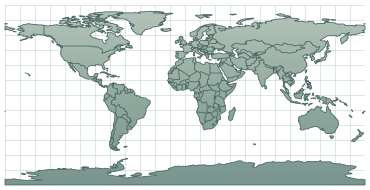
巴哈马
大致位置

← 较新
2026年7月11日
珊瑚礁与海滩,拉贾安帕特群岛,印度尼西亚
较早 →
2026年7月9日
沙坝梯田,老街省,越南


