Wallpaper Detail
일본 혼슈의 후지산

 Bing에서 자세히 알아보기
설명
일본에서 가장 높은 산인 후지산은 도쿄에서 남서쪽으로 약 97킬로미터 떨어진 혼슈에서 해발 3,776미터까지 솟아 있습니다.
거의 완벽한 원뿔형을 이룬 이 산은 화산으로, 1707년 12월 마지막 분화 이후 휴면 상태이지만 여전히 활화산으로 분류됩니다.
마지막 대규모 분화는 호에이 대분화로 알려져 있습니다.
당시 화산재와 그 밖의 화산 쇄설물이 일본 동부 전역으로 분출되어 에도, 즉 오늘날의 도쿄에까지 도달했습니다.
지질학적 의미를 넘어 후지산은 오랫동안 신성한 풍경이자 순례 등반의 목적지로 여겨져 왔으며, 이는 일본에서 자연과 종교, 일상이 어떻게 맞닿아 있는지를 보여 줍니다.
이처럼 오랜 문화적 매력은 후지산이 2013년 ‘신앙의 대상이자 예술적 영감의 원천’으로 유네스코 세계유산에 등재된 이유 중 하나입니다.
맑은 날이면 먼 곳에서도 볼 수 있는 것으로 유명하지만, 언제나 모습을 드러내는 것은 아닙니다.
구름이 단 몇 분 만에 산을 가릴 수도 있습니다.
직접 오르든 기차 창밖으로 잠시 바라보든, 후지산은 여전히 일본의 지평선에 새겨진 상징처럼 느껴집니다.
AI 번역 · 미검수원문 보기원문 접기
Mount Fuji on Honshu Island, Japan
Mount Fuji, Japan's highest mountain, rises to 3,776 metres on Honshu Island, about 97 kilometres southwest of Tokyo. Its near-perfect cone is a volcano—dormant since its last eruption in December 1707 yet still classed as active. That last major event is known as the Hōei eruption. It blasted ash and other tephra across eastern Japan, reaching Edo (today's Tokyo). Beyond geology, Fuji has long been treated as a sacred landscape and a destination for pilgrimage climbs, reflecting how nature, religion and daily life overlap in Japan. That enduring cultural appeal is one reason it was designated a UNESCO World Heritage Site in 2013 as 'a sacred place and source of artistic inspiration.' Fuji is famously visible from far away on clear days but never guaranteed—clouds can hide it in minutes. Whether you hike it or just catch a glimpse from a train window, it still feels like Japan's signature on the horizon.
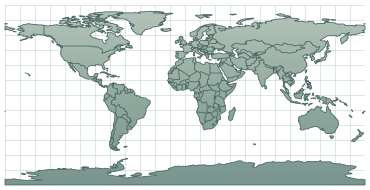
일본
대략적인 위치

← 더 최근
2026년 6월 24일
노란 꽃에서 수분하는 나비
더 이전 →
2026년 6월 22일
미국 워싱턴주 올림픽 국립공원의 퀴놀트 우림

더 많은 배경화면

미국 테네시주 그레이트스모키산맥 국립공원
2026년 6월 15일

아이슬란드 란드만날뢰이가르 피아들라바크 자연보호구역의 흐나우사포들뤼르 화산 분화구호
2026년 6월 10일

과테말라 아티틀란호의 일출
2026년 7월 8일

베트남 라오까이 사파의 논
2026년 7월 9일

스웨덴 라플란드 라포니아 사레크 국립공원, 셰르페산에서 바라본 라파달렌강 삼각주
2026년 6월 5일

마리호, 미국 캘리포니아주 비숍 인근 존 뮤어 야생보호구역
2026년 7월 15일

네팔 사가르마타 국립공원의 에베레스트산 정상
2026년 5월 29일

트레 치메 자연공원, 이탈리아 남티롤
2026년 5월 24일