Wallpaper Detail
富士山,本州岛,日本

 在 Bing 上了解更多
描述
富士山是日本最高峰,坐落于本州岛,海拔3,776米,位于东京西南约97公里处。
它近乎完美的圆锥形山体其实是一座火山——自1707年12月最后一次喷发后一直处于休眠状态,但仍被归类为活火山。
那次重大喷发被称为宝永大喷发,火山灰及其他火山碎屑席卷日本东部,甚至抵达江户,也就是今天的东京。
除了地质意义,富士山长久以来还被视为神圣之地,也是人们登山朝圣的目的地,映照出自然、宗教与日常生活在日本如何彼此交融。
这份历久弥新的文化魅力,正是富士山于2013年以“神圣之地和艺术灵感的源泉”之名被列入联合国教科文组织世界遗产名录的原因之一。
天气晴朗时,远方也能清楚望见富士山,但这并非必然——云层可能在几分钟内将它遮得无影无踪。
无论是亲自攀登,还是从列车窗前偶然一瞥,它依然宛如日本留在地平线上的独特印记。
AI 翻译 · 未经人工审校查看原文收起原文
Mount Fuji on Honshu Island, Japan
Mount Fuji, Japan's highest mountain, rises to 3,776 metres on Honshu Island, about 97 kilometres southwest of Tokyo. Its near-perfect cone is a volcano—dormant since its last eruption in December 1707 yet still classed as active. That last major event is known as the Hōei eruption. It blasted ash and other tephra across eastern Japan, reaching Edo (today's Tokyo). Beyond geology, Fuji has long been treated as a sacred landscape and a destination for pilgrimage climbs, reflecting how nature, religion and daily life overlap in Japan. That enduring cultural appeal is one reason it was designated a UNESCO World Heritage Site in 2013 as 'a sacred place and source of artistic inspiration.' Fuji is famously visible from far away on clear days but never guaranteed—clouds can hide it in minutes. Whether you hike it or just catch a glimpse from a train window, it still feels like Japan's signature on the horizon.
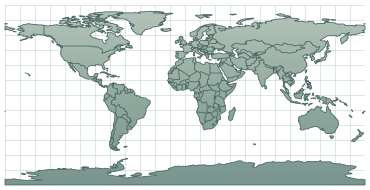
日本
大致位置

← 较新
2026年6月24日
在黄色花朵上授粉的蝴蝶
较早 →
2026年6月22日
奎诺尔特雨林,奥林匹克国家公园,华盛顿州,美国


